Deutsch
 English
 Español
 Magyar
 Polski
 Română
 Slovenský
 Slovenščina
 中文
中文Le parcours des œuvres musicales, de l’auteur à l’interprète
a mission d’un éditeur de musique est de transformer les manuscrits, qu’ils soient sur papier ou sous forme numérique, en partitions lisibles, inspirantes et faciles à utiliser pour les interprètes, ainsi que d’assurer la promotion, la diffusion et l’utilisation légale des œuvres.
Forts de 75 ans d’expérience, nous accomplissons cette noble mission avec soin, engagement et enthousiasme.
Nous remercions les compositeurs et les professeurs de musique qui nous confient leurs œuvres.
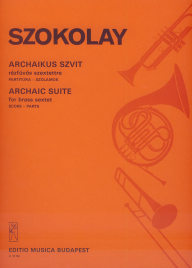
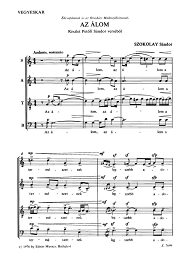
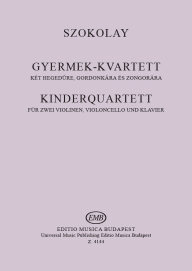
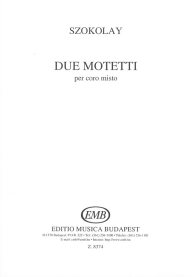
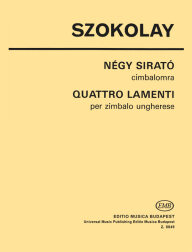
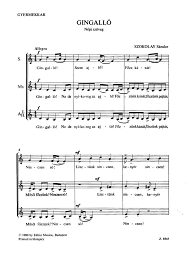
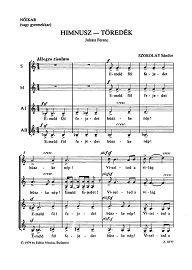
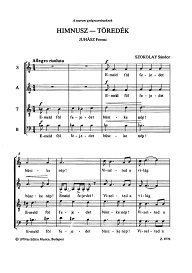
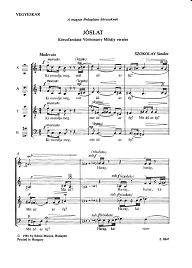
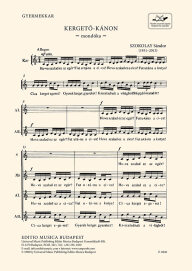
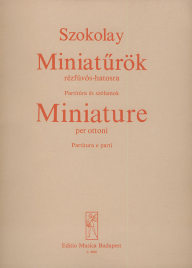
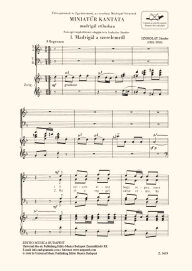
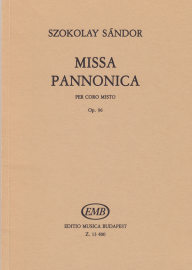
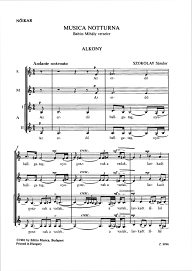
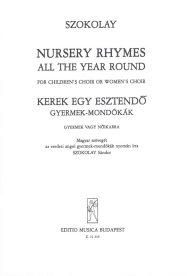
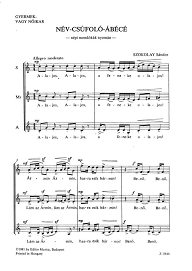
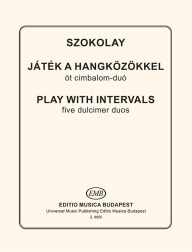
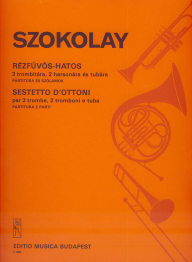
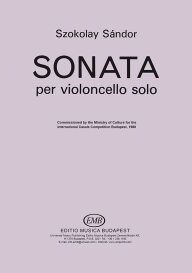
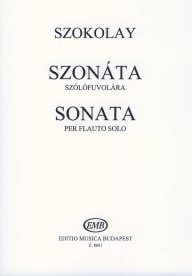
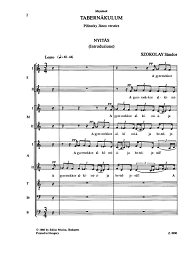
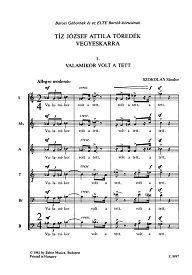
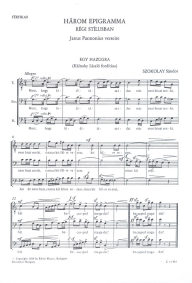
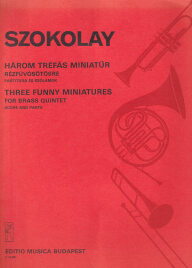
Szokolay, Sándor
 Szokolay soon found his métier in vocal and dramatic music. He gained an impressive success with the oratorio A tűz márciusa (“Fiery March”, 1957–58). In other works, he developed a definite inclination towards folk traditions. In these compositions, though he did not move far from Hungarian national intonation, he made reference to the ecstatic rhythms and instinctive expression of certain African peoples, so creating an individual style that shows certain affinities with the work of Bartók, Stravinsky and Orff. But all this was only a preparation for a major operatic undertaking, Blood Wedding (1962–64), based on Lorca’s play. While opera also played a major role in Szokolay’s oeuvre later, the intervening years saw the creation, alongside some instrumental compositions, of a number of oratorios and other choral works.
Biography
His most important prizes and awards
Erkel Prize (1961, 1965); Kossuth Prize (1966, for his opera Vérnász); Artist of Merit (1976); Outstanding Artist (1986); Bartók–Pásztory Award (1987); Award for the Hungarian Art (1993); Hungarian Heritage Prize (1998); Kodály Prize (1999); Corvin Chain (2001); Artisjus Prize (2011)